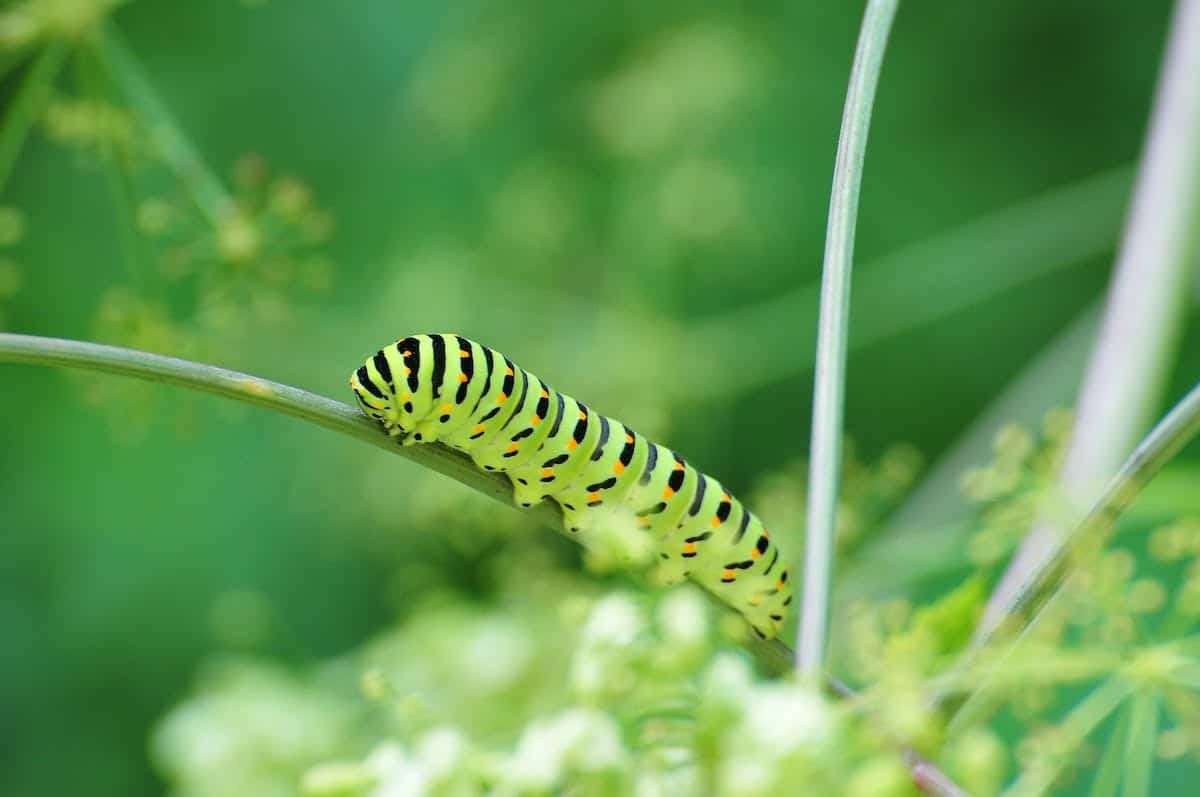
Every spring, a small six-legged enemy invades our gardens: the caterpillar. While they may be fascinating to some, they can become a real plague for our plants. To preserve our green spaces, we must find methods to combat these little predators. But how can we do this without harming the surrounding ecosystem? Solutions exist! Natural methods for fighting caterpillars are both environmentally friendly and effective in protecting our precious plants. Innovative and nature-friendly techniques are waiting to be discovered.
Caterpillars: a growing threat to plants
Caterpillars, particularly the dreaded pine processionary caterpillar, are pests that significantly threaten our plantations. These voracious little creatures feast on the leaves and buds of our trees, causing significant damage to the vegetation.
Among the various natural remedies available to counter these pests, the use of natural predators such as insectivorous birds or certain species of parasitoid wasps is an excellent ecological way to reduce their population.
In addition to this, there are also effective traps and physical barriers. For example, installing a sticky band around the trunk can prevent larvae as they descend to the ground to transform into butterflies.
A lesser-known but very effective method involves an ingredient found in almost all our kitchens: vinegar. Indeed, the ‘vinegar processionary caterpillar’ is an alternative solution that proves extremely useful in this biological fight against these pests. Simply mix vinegar with a bit of water and spray directly on the areas infested by the processionary caterpillar to observe its beneficial effects.
It should be noted, however, that in the fight against these pests, prevention is always more effective than cure. Actions such as regularly pruning trees and shrubs during winter or manually removing their nests can significantly reduce the risk of infestation.
Thus, by using natural predators, physical traps, and even common household products like vinegar, it is entirely possible to combat these pests without harming our environment. Adopting preventive measures can also effectively assist us in this battle against the pine processionary caterpillars.
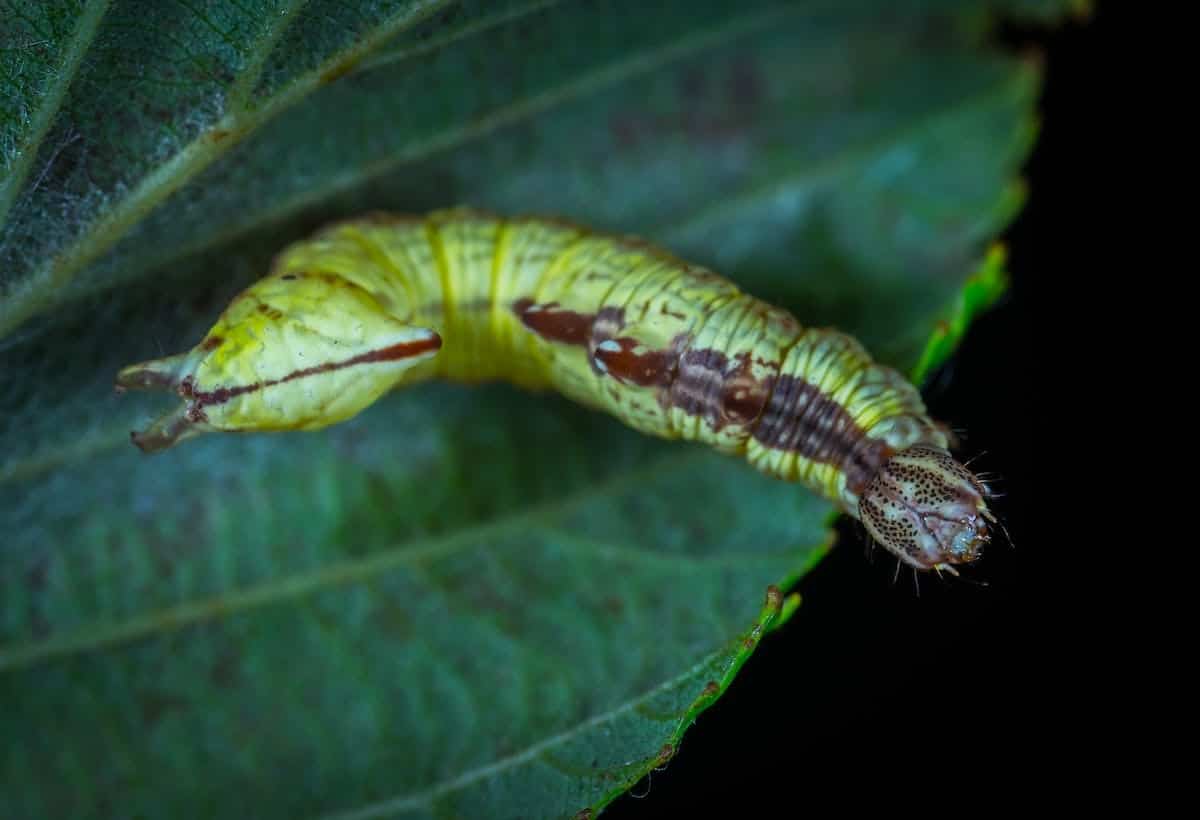
Natural predators: a biological weapon against caterpillars
In the fight against caterpillars, it is also possible to call upon natural predators. Indeed, some biological insecticides can be used to control their population in an ecosystem-friendly manner.
Among the effective natural predators, we can mention Bacillus thuringiensis, a bacterium that produces a toxin specific to the larvae of lepidopterans, which include caterpillars. This bio-insecticide works by binding to the intestines of the larvae, causing paralysis and then death. It should not affect other beneficial insects present in our environment.
Another valuable ally in the fight against these pests is the trichogramma, a tiny microscopic parasite belonging to the family of parasitoid wasps. These small wasps lay their eggs directly in those of the caterpillars, and their larvae then feed on the internal contents before emerging as adults. This method thus significantly limits the reproduction of caterpillars without harming the plants or the environment.
Certain species of birds are known for feasting on caterpillars and other harmful insects to crops. For example, great tits have a voracious appetite for these little green invaders! Installing birdhouses or landscaping your garden to encourage the presence of birds can greatly contribute to regulating caterpillar populations.
It is possible to use pheromones to disrupt the reproductive cycle of caterpillars. Pheromones are chemical substances emitted by insects to communicate with each other. By artificially dispersing these pheromones in the environment, we can deceive males and thus prevent them from mating with females, significantly reducing the spread of caterpillars.
There are therefore various natural alternatives to effectively combat caterpillars without resorting to chemical products. These methods should be combined based on the specific context of each crop. Prioritizing a biodiversity-friendly approach will not only protect our crops but also our ecosystem as a whole.
Traps and barriers: physical means to protect plants
In the fight against caterpillars, it is also possible to set up traps and physical barriers to limit their access to crops. These methods are simple to implement and environmentally friendly.
Pheromone traps are an interesting option. The sex pheromones emitted by females attract males for mating. By placing traps containing these attractive substances near the crops, we can trap a large number of males before they fertilize the females. This thus significantly reduces the future population of caterpillars.
Another method involves creating physical barriers around cultivated areas to prevent caterpillars from entering. Specifically designed sticky bands can be used to wrap around the trunks of fruit trees or other plantations vulnerable to crawling caterpillar attacks. These sticky bands act as a physical barrier that prevents caterpillars from climbing the tree and damaging its leaves or fruits.
To effectively protect a vegetable garden, it is possible to use insect-proof fabric or insect nets. These materials are permeable to water but rot-resistant, providing physical protection against various pests such as caterpillars while allowing the plants to receive enough water and light.
Natural products: environmentally friendly alternatives to eliminate caterpillars
In our relentless quest for alternative methods to fight caterpillars naturally, we cannot overlook solutions based on natural products. Indeed, nature is full of ingredients with repellent or insecticidal properties that can be used safely.
One of the most commonly used substances is neem, also known scientifically as Azadirachta indica. Neem extract possesses powerful insect-repelling properties and can be sprayed on crops to effectively repel caterpillars. This extract also acts as an insect growth regulator by disrupting their development.
Bacillus thuringiensis (Bt) is another popular alternative in the field of biological control. This bacterium produces a toxic crystalline protein specific to insect larvae, including those of caterpillars. By spraying Bt on the plantations affected by these pests, we can observe a significant decrease in their population.
Essential oils are also often used successfully in the fight against caterpillars. Extracts from essential oils such as citronella, thyme, or sage are known for their repellent effects on various types of insects, including caterpillars.
There are several other natural remedies such as white vinegar, Marseille soap, and baking soda that can be used to prepare homemade insecticidal solutions. These products are less harmful to the environment while being effective against caterpillars.
It is important to emphasize that the use of these natural methods requires a certain perseverance and regularity to control the proliferation of caterpillars.
There is a multitude of solutions based on natural products that allow for effective combat against caterpillars without harming our environment. However, it is crucial to engage in a holistic approach that includes practicing agriculture that respects biodiversity and promoting natural auxiliaries to maintain a harmonious ecological balance in our crops.
Infestation prevention: techniques to avoid caterpillar damage
In our relentless quest for alternative methods to fight caterpillars naturally, you must pay particular attention to preventive techniques. Preventing a caterpillar infestation is often more effective than seeking a remedy once the problem has set in.
You must ensure to maintain a healthy and balanced environment in our gardens and crops. A vigorous and healthy plant is less likely to be attacked by caterpillars. To achieve this, make sure to have soils rich in organic matter, well-drained, and suited to the specific needs of the plants.
The wise choice of pest-resistant varieties can also play an important preventive role. Certainly, opt for species or cultivars that naturally exhibit increased tolerance to caterpillars or are known to repel these pests.
Another preventive technique is to promote biodiversity in our gardens and green spaces. By encouraging the presence of insectivores such as insectivorous birds, ladybugs, or parasitoid wasps, you can help reduce the caterpillar population without resorting to any chemical pesticide.
Regular crop rotation can also be beneficial by limiting the continuous spread of caterpillar infestations. By changing the location of your plantations each year, you prevent these pests from finding their usual food source.
A simple but often overlooked preventive technique is the regular monitoring of your plantations. By carefully inspecting your crops for signs of a potential caterpillar infestation, you can act quickly and effectively to prevent the problem from worsening.
Preventive techniques play a crucial role in the natural fight against caterpillars. They not only help avoid significant damage to the plantations but also contribute to maintaining the ecological balance in our gardens and green spaces. Remember that by adopting these preventive measures, you demonstrate an environmentally friendly approach and promote a harmonious coexistence with all the creatures that inhabit our plant world.