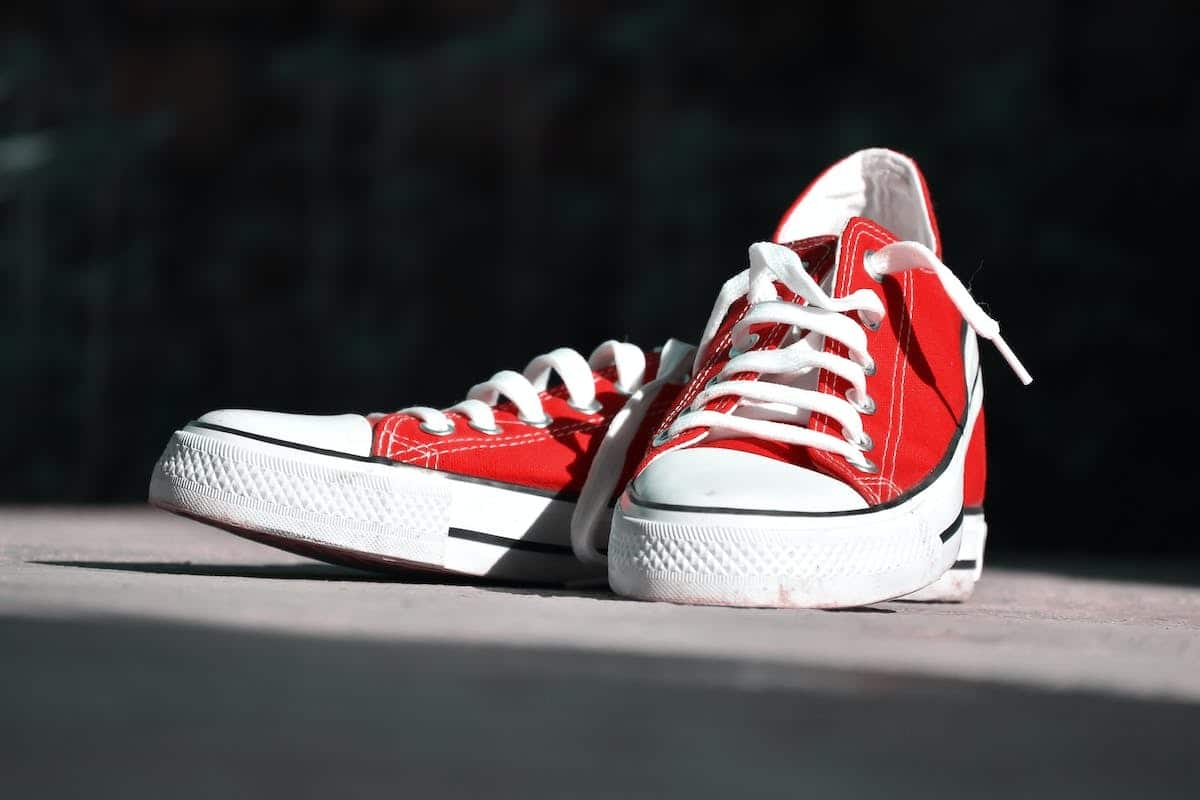
A common issue faced by shoe enthusiasts, particularly those who love canvas sneakers, is the lack of comfort that can occur after a purchase. This may be due to a size that is slightly smaller than actually needed or shrinkage after washing. It is entirely possible to remedy this problem without having to give up your favorite shoes. Here is a series of tips and practical solutions to help stretch your canvas sneakers, making them more comfortable and extending their lifespan.
Stretching Canvas Sneakers: The Basics of the Technique
For shoe lovers, nothing is more frustrating than having a pair of canvas sneakers that are too tight. This is where tips for stretching canvas sneakers come into play. Here are some key tips that can help you transform those beautiful new acquisitions that are painfully tight into perfectly fitting shoes.
Tip #1: The hairdryer method. This method may seem a bit strange, but it is effective! Put on your shoes with a thick pair of socks (or several pairs) and direct the warm airflow from a hairdryer onto the tight areas for about 30 seconds per area. The heat softens the canvas, allowing it to mold to the shape of your foot.
Tip #2: The use of shoe stretchers. Shoe stretchers are designed to maintain and preserve the original shape of shoes. For our tips on stretching canvas sneakers, we simply recommend inserting them into each sneaker when they are not being worn.
Tip #3: The freezer technique. Yes, you heard that right! Fill two sturdy ziplock bags with a little water (they should be small enough to fit inside your sneakers), carefully place them in each shoe, and then put your pair in the freezer until the water completely freezes.
Tip #4: The stretch spray. This is one of the safest and most effective ways to tackle this problem. You can find these sprays in many shoe specialty stores or cobblers; just spray it on your sneakers, mainly where they are too tight, and then walk around to help the fabric relax.
Stretching canvas sneakers may seem like a mission impossible, but don’t worry! With the tips for stretching canvas sneakers mentioned above and a little patience, you can give them all the room needed for optimal comfort. Remember that it is always best to avoid situations where your new shoes require this adjustment by being careful during the purchase.
Tip #1: Wooden Shoe Stretchers for a Perfect Fit
When you acquire new canvas sneakers and they turn out to be a bit too tight, wooden shoe stretchers can be your allies. These accessories are specially designed to maintain the original shape of shoes while providing a slight expansion.
Shoe stretchers come in the form of a curved piece of wood, usually covered with a soft fabric to avoid damaging the material of your sneakers. They should be inserted into each shoe when they are not being worn, allowing the canvas to gradually and naturally relax.
This tip is particularly effective for stretching canvas sneakers without risking deformation or damage. The stretchers gently work on the fabric, giving it enough space to comfortably adapt to your foot. Just be sure to choose stretchers that are suitable for the size of your shoes so that they fulfill their role perfectly.
It is also recommended to use this method regularly over several days or even weeks to achieve optimal results. Patience and perseverance will therefore be necessary if you wish to permanently stretch your canvas sneakers with the help of stretchers.
Tip #2: Damp Socks to Stretch Sneakers
If you are looking for an alternative and economical method to stretch your canvas sneakers, why not try the damp sock trick? This simple technique involves using moisture to allow the fabric to relax and gain a few extra millimeters of space.
To put this tip into practice, start by getting a pair of thick cotton socks. Soak them generously in warm water without wringing them out completely. Stuff these socks into your sneakers so that they fill the entire interior space. Make sure all areas are well covered, from the heel to the toe.
Once your shoes are filled with damp socks, let them rest for several hours or even overnight. The water will penetrate the fabric and help it stretch naturally. However, keep in mind that this method may be less precise than using wooden stretchers and therefore requires a bit more vigilance.
After allowing enough time to pass, gently remove the damp socks from your sneakers. You may already notice a difference in their size or fit on your foot. To maximize the results obtained with this tip, it is recommended to wear the shoes while still slightly damp for a short period to allow them to mold to the shape of your foot.
It should be noted that this method may not be suitable for all canvas shoes. Indeed, some more delicate materials like linen or sneakers with patterns or prints may react differently to moisture. It is therefore best to exercise caution and test this tip on a small hidden area before applying it to the entire surface.
If you are looking for an affordable solution to stretch your canvas sneakers, using damp socks can be an interesting option. Always consider the specifics of the fabric and proceed with caution to avoid any potential damage.
Tip #3: A Hairdryer for Relaxing Tight Areas
Tip #3: Use a hairdryer to heat tight areas
When your canvas sneakers are too tight in certain spots, a clever method is to use a hairdryer to heat them and allow the material to slightly expand. This tip can be particularly effective for stretching specific areas where you feel excessive pressure on your feet.
To put this technique into practice, start by choosing a hairdryer with a heat setting. Set it to a medium or low temperature to avoid damaging the fabric of the sneakers. Hold the hairdryer about 15 cm away from the areas that need to be widened, without ever directing it directly at your skin.
By gently moving the hot air flow from the hairdryer around the tight areas for a few minutes, you will help the canvas gradually relax under the heat. Make sure to keep the movement constant while avoiding any localized overheating that could cause irreversible damage.
Once you have sufficiently heated the affected area, take advantage of the material’s malleable state by wearing the sneakers and walking comfortably. Applying slight pressure with your foot will also aid in the stretching process.
Be sure to proceed with caution and moderation. Do not expose the sneakers to excessive heat, as this could lead to permanent deformation or burns to the fabric. It is also recommended to limit the use of this tip to specific areas needing adjustment and to avoid heating the entire shoe to mitigate any risk.
Be aware that this method may not work with all types of canvas used in the manufacture of canvas sneakers. Some more sensitive materials may react differently to heat and deteriorate. Before applying this tip to your shoes, conduct a preliminary test on a small hidden area to ensure it will not damage the material.
Using a hairdryer to heat tight areas of your canvas sneakers can be a practical and quick solution for achieving a better fit. However, be sure to use this technique with caution and moderation to avoid any potential damage to your precious sneakers.
Tip #4: Specific Care Products to Soften the Fabric
Tip #4: Use specific care products to soften the fabric
If the previous tips have not allowed you to achieve the desired comfort in your canvas sneakers, you may consider using care products specifically designed to soften the fabric. These solutions are particularly recommended if you want to avoid any direct physical manipulation of your shoes.
One of the most commonly used products is a textile softening aerosol or spray. These products come in the form of liquid substances that work by penetrating deeply into the fibers of the fabric, allowing them to relax and soften. Generally, you just need to spray a fine layer on the inside and/or outside of the areas affected by tightness to facilitate their widening.
Be sure to exercise caution when using these products. Always make sure to read the manufacturer’s instructions carefully and test the product on a small hidden area of the fabric to check for any adverse reactions or discoloration.
Additionally, some consumers also opt to use a regular fabric softener diluted in a bit of warm water. This solution can be applied locally, using a clean cloth soaked in the resulting mixture, on the tight areas of the canvas sneakers that you wish to stretch. However, be careful not to excessively soak the fabric to avoid any risk of deformation or deterioration.
It is important to emphasize that specific care products should be used sparingly and moderately to preserve the quality and integrity of the canvas sneakers. It is recommended to strictly adhere to the doses indicated by the manufacturer and not to overload the material with potentially harmful chemicals.
Remember that it is always wise to consult a qualified professional if you have any doubts or questions regarding the proper use of specific care products on your canvas sneakers. They will be able to provide you with tailored advice suited to your particular situation.
The judicious use of specific care products can be an additional tip for effectively softening the overly tight fabric in your canvas sneakers. Be sure to handle these chemical substances carefully to ensure the longevity and durability of the material without compromising its aesthetic integrity.
Alternative Solutions: Cobbler or Removable Insoles for a Custom Fit
Alternative solutions: Consult a cobbler or opt for removable insoles.
If the previous tips have not provided you with the desired comfort in your canvas sneakers, there are also other alternative solutions to explore.
Tip #5: Opt for a professional intervention from a qualified cobbler.
Consulting a shoe professional, such as an experienced cobbler, can be a wise option if you want to precisely and expertly stretch your canvas sneakers. Cobblers are specialists in the field who possess the necessary skills to best adjust your shoes to ensure an optimal result.
When you consult a cobbler, be sure to clearly communicate your specific need for stretching. They will be able to assess the feasibility of the intervention and determine which technique is most appropriate based on the material used in your canvas sneakers.
Depending on the extent of the modifications needed, the cobbler may use different techniques such as:
• Adding additional pieces of fabric or leather to the tight areas;
• Cutting and readjusting existing seams to allow for more space;
• Partially or completely replacing the upper panel with a larger piece.
Please note that these interventions usually take time and may incur additional costs. They offer the undeniable advantage of being performed by an expert who can provide a suitable and durable solution for your canvas sneakers.
Another interesting alternative is to use removable insoles to adjust the size of your canvas sneakers. Insoles can come in various thicknesses, allowing you to compensate for insufficient or excessive space inside your shoes.
Simply place the insoles in the canvas sneakers, then wear them as you normally would. You will find that this can help fill the extra space if your shoes are too large and provide comfortable support if they are slightly tight.
This tip has the significant advantage of being reversible. If you want to return to your original size, you simply need to remove the removable insoles without altering or damaging the main material of your canvas sneakers.
Be aware that using removable insoles may slightly change the feel of wearing the shoes and influence your overall support while walking. It is therefore recommended to try different thicknesses to find the one that best suits your foot and the level of comfort you are seeking.
Consulting a qualified cobbler or opting for removable insoles are two effective alternative solutions for precisely and expertly stretching your canvas sneakers. Choose the one that best fits your specific situation to achieve the optimal comfort you are looking for while preserving the aesthetics and quality of your shoes.